Top 10 Exercises Every Athlete Should Include in Their Routine
business stars / 12 months
September 19, 2025
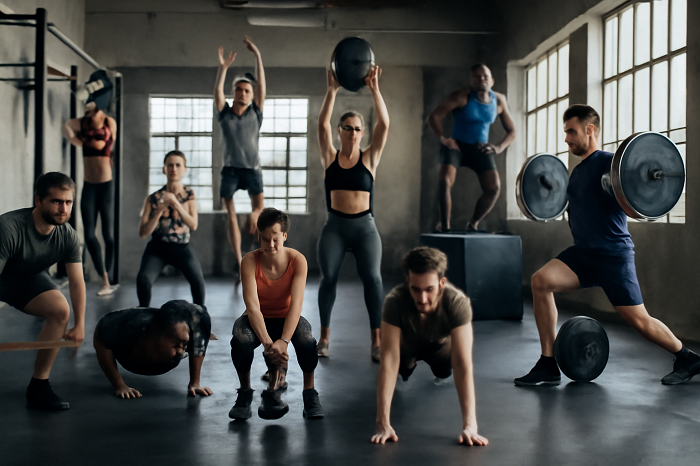
In the world of athletics, performance is often directly correlated with the quality of training an athlete undergoes. No matter the sport, an athlete’s physical conditioning plays a crucial role in their success. To improve strength, speed, agility, and endurance, a carefully planned workout routine is essential. This routine should be diverse, targeting different muscle groups, enhancing cardiovascular fitness, and preventing injuries. Here, we explore the top 10 exercises every athlete should include in their routine to achieve a well-rounded fitness regimen and elevate their athletic performance.
Athletes across all levels, from amateurs to professionals, know that their body must be strong, flexible, and capable of handling the demands of their sport. Whether you’re playing football, basketball, soccer, or any other sport, your physical foundation is paramount. Having a balanced workout routine that includes strength training, endurance exercises, and mobility work will not only optimize your performance but also reduce the risk of injury.
This article breaks down the 10 best exercises that are universally beneficial for athletes. These exercises target key areas like core strength, mobility, flexibility, explosiveness, and overall strength.
1. Squats: The Foundation of Strength
When it comes to building lower body strength, squats are unmatched. Squats engage your quadriceps, hamstrings, glutes, and core, which are vital for virtually every athletic movement. From sprinting to jumping, squats train the muscles responsible for generating power. Furthermore, squats improve balance and stability, making them an essential exercise for athletes.
Athletes should perform variations of squats, such as barbell squats for strength or jump squats for explosive power, depending on their needs. Proper form is crucial to prevent injury and maximize the effectiveness of the exercise.
2. Deadlifts: Building Power and Core Stability
Deadlifts are a total-body exercise that focuses on the posterior chain—targeting the back, glutes, hamstrings, and core. This exercise improves posture, builds muscle mass, and enhances grip strength, which is essential in many sports that require control and handling of objects.
Performing deadlifts regularly helps athletes build the strength necessary for activities like sprinting, lifting, or tackling. By engaging multiple muscle groups simultaneously, this compound exercise develops functional strength, making it a staple in any athlete’s routine.
3. Push-Ups: Upper Body Strength and Endurance
Push-ups are a classic bodyweight exercise that targets the chest, shoulders, triceps, and core. This exercise is incredibly versatile and can be modified to suit any athlete’s level of fitness. Whether you’re doing standard push-ups, diamond push-ups, or decline push-ups, this exercise builds upper body strength and stamina, which are essential in sports like basketball, football, and wrestling.
Incorporating push-ups into your training routine also enhances endurance, making it easier for athletes to perform at their peak for extended periods of time during games.
4. Pull-Ups: Enhancing Upper Body and Grip Strength
Pull-ups are excellent for building upper body strength, specifically targeting the back, biceps, and shoulders. These muscles play a significant role in improving overall athletic performance, especially in sports that involve running, climbing, or lifting. Additionally, pull-ups help increase grip strength, which is crucial for athletes who need to maintain control of objects, like a basketball, tennis racket, or football.
To progress, athletes can add weight to their pull-ups or vary their grips (wide, narrow, neutral) to target different muscles and enhance muscle development.
5. Lunges: Developing Leg Strength and Stability
Lunges are a dynamic exercise that helps athletes develop unilateral strength, targeting each leg individually. This exercise is particularly effective for improving balance, coordination, and stability—qualities that are essential for athletes who need to pivot, change direction, or maintain control during dynamic movements.
Lunges engage the quads, hamstrings, and glutes and are great for athletes in sports like tennis, soccer, and basketball, where explosive, single-leg movements are common. To make lunges more challenging, athletes can add weights or perform walking lunges over long distances.
6. Planks: Core Strength and Stability
A strong core is the foundation of most athletic movements. Planks target the entire core, including the abdominals, obliques, and lower back. A stable core improves posture, balance, and power transfer during explosive movements.
Incorporating different plank variations, such as side planks or plank leg raises, can enhance stability and endurance. Whether you’re sprinting, swimming, or playing football, a strong core ensures that energy is efficiently transferred throughout the body, improving overall performance.
7. Burpees: Full-Body Conditioning and Explosiveness
Burpees are a high-intensity, full-body exercise that combines strength and cardio. This exercise builds explosive power, agility, and endurance by targeting the chest, arms, core, and legs. Burpees are particularly useful for athletes looking to improve their conditioning and speed, as they incorporate elements of jumping, squatting, and pushing, which are essential for sports like soccer, rugby, and basketball.
As an added benefit, burpees challenge cardiovascular endurance and promote fat loss, making them a great conditioning exercise for athletes of all types.
8. Medicine Ball Slams: Explosive Power and Core Engagement
Medicine ball slams are an excellent exercise for improving explosive power and total-body strength. This exercise works the core, shoulders, arms, and legs, making it perfect for athletes who need to develop forceful, rapid movements.
Performing medicine ball slams helps athletes develop the fast-twitch muscle fibers needed for explosive sports movements, such as jumping or sprinting. This exercise can be modified in intensity and is a great addition to high-intensity interval training (HIIT) circuits for athletes.
9. Kettlebell Swings: Power, Endurance, and Core Strength
Kettlebell swings are another powerful exercise that targets the hips, glutes, hamstrings, and core. This movement is great for developing explosive power and improving cardiovascular conditioning. By swinging the kettlebell in a controlled motion, athletes improve their power output, which translates to improved performance in activities such as running, jumping, or cycling.
The full-body engagement in kettlebell swings also helps athletes develop core stability and endurance. This exercise is beneficial for athletes involved in sports that require powerful movements, such as football, track, and swimming.
10. Box Jumps: Agility and Explosive Leg Power
Box jumps are a plyometric exercise that enhances explosive power and leg strength. By jumping onto a raised platform, athletes engage their quads, hamstrings, and glutes, building the strength and agility required for high-impact, explosive movements.
Box jumps are excellent for athletes who need to improve their jumping ability, vertical leap, or quickness. Athletes in basketball, volleyball, and track and field, for example, will find this exercise particularly beneficial for enhancing performance.
Conclusion
An effective athletic routine should be comprehensive, targeting various muscle groups, building strength, enhancing agility, and improving endurance. The top 10 exercises every athlete should include in their routine will provide a solid foundation for performance across a wide range of sports. These exercises not only promote physical strength but also improve functional movement, agility, and core stability—essential aspects for any athlete.
Incorporating these exercises into your training program will lead to improved strength, endurance, and power, enabling you to perform at your best. Always remember to focus on form and progression, and consult with a trainer if needed to ensure you are performing exercises correctly and safely. With a balanced and strategic workout plan, you can maximize your athletic potential and reach new heights in your sport.
Frequently Asked Questions
Q1. How often should athletes perform these exercises?
Answer. It is recommended to include these exercises 3-4 times a week, depending on your sport and training cycle. Ensure that you allow proper recovery time between intense sessions.
Q2. Can these exercises be modified for beginners?
Answer. Yes, these exercises can be modified. For beginners, start with bodyweight versions or use lighter weights. Gradually increase intensity as your fitness improves.
Q3. Are these exercises suitable for injury prevention?
Answer. Absolutely! Many of these exercises, like lunges and planks, enhance stability and mobility, which can help prevent injuries in athletes.
Q4. How important is rest and recovery for athletes?
Answer. Rest is crucial for muscle recovery and performance improvement. Proper sleep, nutrition, and active recovery days should complement your workout routine.