
















































































































































































































































































































































































































Top 10 Tech Trends Shaping the Future in 2025

Technology has always been the driving force behind transformation, from how we communicate to the way we work and live. As we step into 2025, innovations are accelerating at an unprecedented pace, bringing futuristic concepts into everyday life. From artificial intelligence becoming more human-like to the expansion of quantum computing, this year is expected to redefine industries, enhance productivity, and reshape society as a whole. Understanding the top tech trends is essential for businesses, professionals, and everyday users who want to stay ahead in a rapidly evolving digital world.
1. Artificial Intelligence Reaching New Heights
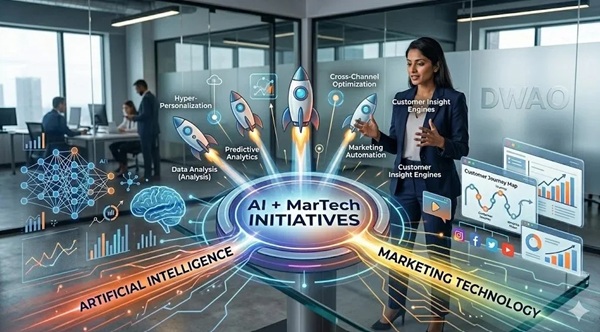
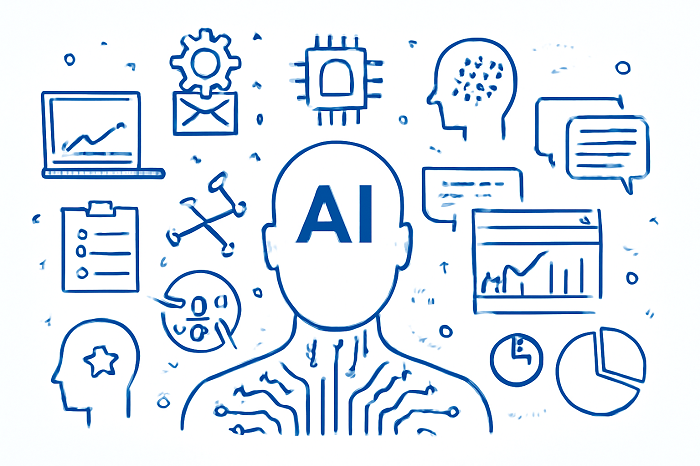
Artificial Intelligence has been a prominent trend for years, but 2025 marks a turning point where AI is no longer just a tool but an integrated part of decision-making and creativity. Advanced AI models are being used in healthcare to predict patient needs, in education to create personalized learning paths, and in finance to improve fraud detection and portfolio management. What makes this trend significant is the balance between automation and human collaboration, where AI is seen as a partner rather than a replacement. The ethical use of AI, transparency, and trust are also becoming central themes in this space.
2. The Rise of Quantum Computing
Quantum computing is shifting from research labs into practical applications. While still in its early stages, 2025 is witnessing tech giants and startups alike making breakthroughs that solve problems classical computers cannot handle. Fields like drug discovery, supply chain optimization, and climate modeling are seeing significant benefits. This trend promises to reshape industries where complex data analysis is essential, and though commercial availability may still be limited, its future potential is unmatched. Businesses preparing for quantum computing today will have a competitive edge tomorrow.
3. Web3 and Decentralized Applications
The shift toward decentralization continues to redefine how we use the internet. Web3 technologies in 2025 are enabling users to take back control of their data, digital assets, and online identity. Blockchain-based platforms are not only powering cryptocurrencies but also fueling decentralized finance (DeFi), non-fungible tokens (NFTs), and decentralized autonomous organizations (DAOs). These systems promote transparency, ownership, and freedom, disrupting traditional business models and creating new opportunities for creators, developers, and investors.
4. Smart Cities and Connected Infrastructure
Urbanization and technology are merging to create smart cities that are efficient, sustainable, and citizen-friendly. In 2025, cities are adopting Internet of Things (IoT) sensors to manage traffic flow, reduce energy consumption, and improve public safety. Smart grids, intelligent transportation, and connected healthcare systems are making city living more convenient while reducing environmental impact. The goal is not just innovation for the sake of it, but to build inclusive environments where technology improves quality of life for everyone.
5. 5G and Beyond Connectivity
Connectivity remains at the heart of digital transformation, and 2025 is seeing the global expansion of 5G networks alongside the initial development of 6G. Faster speeds, lower latency, and higher capacity are enabling new technologies like autonomous vehicles, real-time virtual reality, and remote surgeries. This trend is also supporting businesses in rural and underserved areas by closing the digital divide, ensuring that connectivity is a universal right rather than a privilege.
6. Extended Reality Redefining Experiences
Virtual Reality, Augmented Reality, and Mixed Reality are no longer limited to gaming. In 2025, extended reality is revolutionizing training, education, real estate, and even social interactions. Companies are creating immersive experiences where users can attend virtual meetings, explore products in 3D, or practice complex surgeries in a safe environment. As hardware becomes more affordable and content more accessible, extended reality is poised to become an everyday tool across industries.
7. Cybersecurity and Digital Trust
As technology advances, so do cyber threats. 2025 is a year where cybersecurity takes center stage, not just as a defensive strategy but as a foundation for innovation. With increasing reliance on digital ecosystems, companies and governments are investing heavily in zero-trust frameworks, AI-powered threat detection, and biometric authentication. Protecting data privacy and ensuring digital trust are crucial for maintaining user confidence in a hyper-connected world.
8. Sustainable Technology and Green Innovation
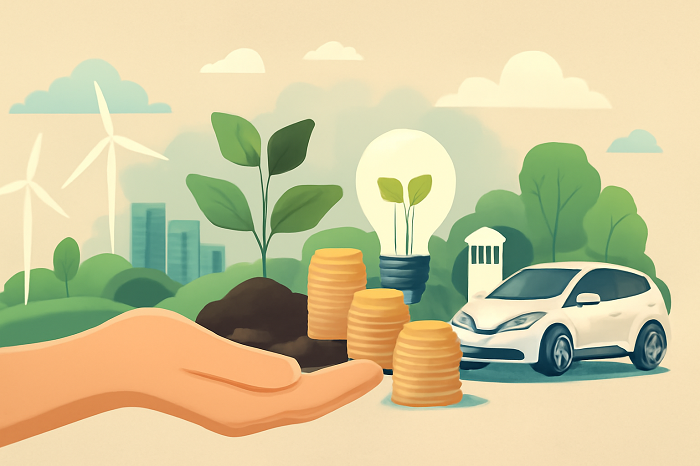
The conversation about technology is no longer limited to performance and convenience. In 2025, sustainable technology is shaping how businesses and consumers make choices. From energy-efficient data centers to eco-friendly gadgets and renewable energy integration, green tech is now both an ethical responsibility and a competitive advantage. Companies adopting sustainable practices are gaining customer loyalty while contributing to a healthier planet.
9. Robotics and Automation in Everyday Life
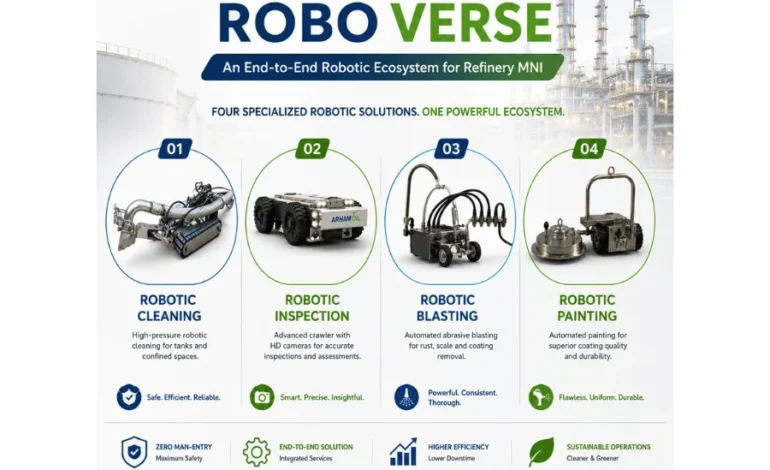
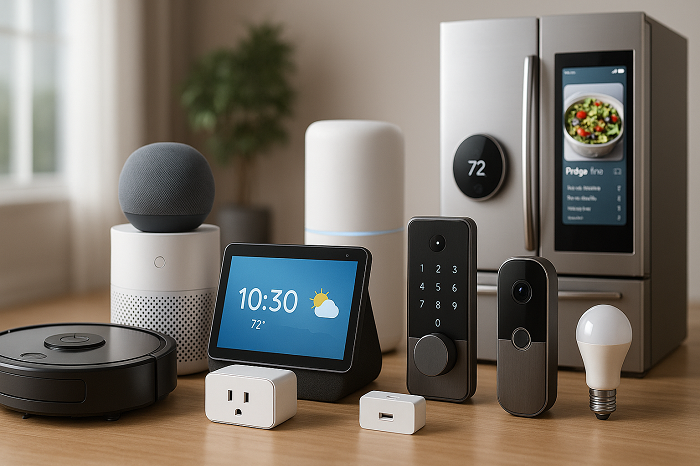
Robotics and automation are stepping out of industrial environments into daily routines. In 2025, smart robots are assisting in elder care, automating warehouse logistics, and even supporting household chores. Businesses are leveraging automation for efficiency, while consumers are experiencing convenience like never before. This trend highlights a future where human creativity is complemented by machine precision, driving productivity and innovation.
10. Biotechnology and Human Enhancement
One of the most fascinating trends in 2025 is the rise of biotechnology and human enhancement technologies. From gene editing tools like CRISPR to wearable health devices and brain-computer interfaces, biotechnology is reshaping healthcare and human potential. Personalized medicine, advanced prosthetics, and regenerative treatments are improving quality of life, extending lifespans, and opening conversations about the ethical boundaries of human augmentation.
Conclusion
The year 2025 is not just about incremental progress but about transformative changes that are shaping the future of humanity. From artificial intelligence and quantum computing to sustainability and biotechnology, these top tech trends are interconnected, each influencing the other to build a smarter, safer, and more inclusive world. For businesses, staying updated with these trends is no longer optional but a necessity for survival and growth. For individuals, understanding these technologies is the key to navigating the opportunities and challenges of tomorrow. The future is being written today, and those who embrace innovation will be the ones shaping it.
Frequently Asked Questions
Q1. What is the most important tech trend in 2025?
Answer. Artificial Intelligence remains the most impactful trend in 2025 because it integrates across industries, driving automation, personalization, and decision-making.
Q2. How will quantum computing affect daily life?
Answer. While direct consumer use may take more time, quantum computing will influence industries such as healthcare, finance, and logistics by solving problems that traditional computers cannot.
Q3. Is Web3 really the future of the internet?
Answer. Yes, Web3 is transforming how data and assets are owned, shared, and monetized, shifting control from corporations to individuals.
Q4. What industries will benefit most from extended reality?
Answer. Education, healthcare, retail, and real estate are among the top industries leveraging extended reality for immersive and practical solutions.
Q5. Why is sustainable technology important?
Answer. Sustainable technology reduces environmental impact, lowers operational costs, and appeals to eco-conscious consumers, making it both a moral and business priority.