













































































































































































































































































Top 10 AI Tools Every Business Should Use

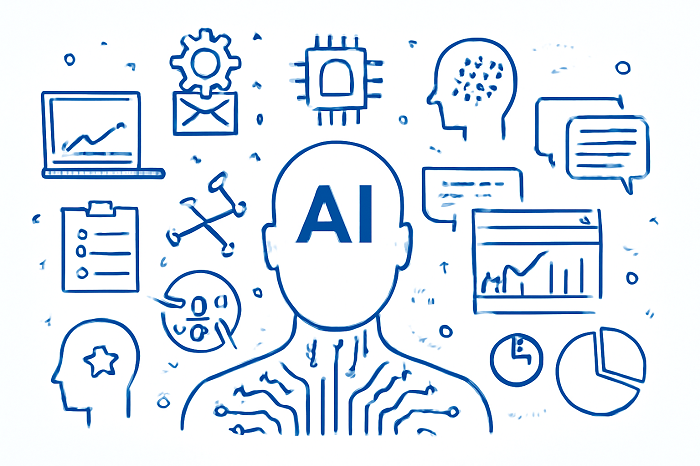
In today’s rapidly evolving digital landscape, artificial intelligence (AI) is no longer a futuristic concept, but an essential tool that businesses are leveraging to stay competitive. Whether you’re a startup, a small business, or a large corporation, AI can optimize operations, enhance productivity, and provide a deeper understanding of your customers. This article will introduce you to the top 10 AI tools that every business should consider incorporating into their workflow to maximize efficiency and drive growth.
Introduction: The AI Revolution in Business
Artificial intelligence is transforming every sector, from healthcare to finance, and businesses are harnessing its power to stay ahead of the curve. AI tools can automate repetitive tasks, analyze data at scale, offer personalized customer experiences, and even help businesses make better, data-driven decisions. With so many options available, it can be challenging to know where to start. In this article, we’ve handpicked the top 10 AI tools that have proven to be highly effective for businesses of all sizes and industries.
1. HubSpot AI
HubSpot is an all-in-one marketing, sales, and service platform that integrates AI to enhance customer relationship management (CRM). It uses AI-driven tools to streamline processes such as lead scoring, personalized email marketing, and sales automation. HubSpot’s AI capabilities also extend to content generation, allowing businesses to craft blog posts and other marketing materials quickly.
Why Businesses Should Use It:
HubSpot’s AI tools can help businesses scale their marketing efforts without significantly increasing their workload. By automating repetitive tasks and providing personalized insights, HubSpot allows businesses to improve their lead nurturing, customer engagement, and sales conversion rates.
2. Grammarly
Grammarly is a popular AI-powered writing assistant that helps businesses improve their communication by suggesting grammar, spelling, and style corrections. But beyond just proofreading, Grammarly uses AI to analyze the tone and clarity of your writing, making it an invaluable tool for any business that communicates with clients or customers through email, reports, or social media.
Why Businesses Should Use It:
Good communication is crucial for maintaining professionalism and trust with clients and partners. Grammarly ensures that your messages are clear, concise, and error-free, ultimately helping businesses maintain a strong brand reputation and improve customer interactions.
3. Jasper AI
Jasper AI, formerly known as Jarvis, is a content generation tool that uses AI to write high-quality blog posts, articles, marketing copy, and even social media content. Jasper uses natural language processing (NLP) and machine learning to create content that resonates with your audience, and it can adapt to various writing styles.
Why Businesses Should Use It:
Content creation is time-consuming, but Jasper significantly reduces the time it takes to produce high-quality written content. Businesses can use Jasper to create blog posts, product descriptions, email campaigns, and more, all while saving time and maintaining quality.
4. Zoho CRM
Zoho CRM integrates AI to provide businesses with smarter sales automation. It helps businesses track leads, automate follow-ups, and even predict sales outcomes based on historical data. The AI-powered assistant, Zia, helps sales teams by offering suggestions and insights, ensuring they make the best decisions at every stage of the sales pipeline.
Why Businesses Should Use It:
Zoho CRM can improve sales productivity and close rates by automating manual tasks and providing predictive insights. With Zia, businesses can identify trends, potential bottlenecks, and areas for improvement, making it a powerful tool for sales teams.
5. ChatGPT by OpenAI
ChatGPT, developed by OpenAI, is a conversational AI model that can be integrated into websites, apps, and customer service platforms. It enables businesses to provide 24/7 customer support, answer frequently asked questions, and engage with customers in a conversational manner. It also aids in content creation, data analysis, and decision-making processes.
Why Businesses Should Use It:
ChatGPT can significantly reduce response times for customer inquiries and provide personalized support at scale. Its ability to handle a wide range of queries helps businesses improve customer satisfaction while freeing up human agents to focus on more complex tasks.
6. Hootsuite Insights
Hootsuite Insights leverages AI to help businesses monitor and analyze social media activity. By using machine learning algorithms, Hootsuite Insights can track brand mentions, sentiment, and engagement across multiple social platforms. The tool provides businesses with real-time reports that help them understand their audience and adjust their strategies accordingly.
Why Businesses Should Use It:
Social media is a crucial aspect of any marketing strategy, and Hootsuite Insights helps businesses track performance and identify opportunities. By leveraging AI to analyze social conversations, businesses can make data-driven decisions and engage with their audience more effectively.
7. MonkeyLearn
MonkeyLearn is a machine learning platform that allows businesses to analyze text data and derive actionable insights. It uses AI to analyze customer feedback, surveys, reviews, and other textual data to uncover trends, sentiment, and key themes. With MonkeyLearn, businesses can enhance their market research, customer experience, and product development efforts.
Why Businesses Should Use It:
Businesses collect vast amounts of data daily, but it can be challenging to derive actionable insights from that information. MonkeyLearn’s AI-driven analytics help businesses gain a deeper understanding of customer preferences and behaviors, which can inform decision-making and improve product offerings.
8. Surfer SEO
Surfer SEO is an AI-powered tool that helps businesses optimize their websites for search engines. It analyzes search engine results pages (SERPs) and provides recommendations for improving on-page SEO. The tool uses AI to assess keyword density, content structure, and backlink profiles, ensuring that websites rank higher on search engines like Google.
Why Businesses Should Use It:
Search engine optimization (SEO) is vital for driving organic traffic to your website. Surfer SEO’s AI tools help businesses optimize their content and web pages for higher visibility, increasing traffic and potential conversions.
9. Trello with Butler AI
Trello is a popular project management tool, and with the addition of Butler AI, it has become even more powerful. Butler automates tasks like card movements, assigning team members, and sending reminders based on specific triggers. This helps teams stay organized and streamline their workflows without needing to manage every detail manually.
Why Businesses Should Use It:
Trello with Butler AI helps businesses stay on top of tasks and deadlines by automating routine project management activities. This allows teams to focus on more strategic aspects of their projects, boosting productivity and efficiency.
10. Clearbit
Clearbit uses AI to provide businesses with high-quality data about their leads and customers. It offers insights into contact details, company information, and social profiles, helping sales teams make informed decisions about prospecting and lead generation. Clearbit integrates with CRMs and other tools to streamline the process.
Why Businesses Should Use It:
Clearbit enhances lead generation and sales processes by providing deeper insights into potential customers. By using AI to gather and analyze data, businesses can identify high-value leads, improve outreach, and increase conversion rates.
Conclusion: Embrace AI for Smarter Business Operations
The use of AI tools in business is no longer a luxury but a necessity. From automating tasks and improving communication to generating insights and driving sales, AI tools can help businesses of all sizes streamline their operations, reduce costs, and increase revenue. By integrating these top 10 AI tools, you can stay ahead of the competition and ensure that your business remains agile in the ever-evolving digital landscape. Start exploring these tools today and unlock the full potential of artificial intelligence for your business.
Frequently Asked Questions (FAQs)
Q1. What is AI in business?
Answer. AI in business refers to the use of artificial intelligence technologies to improve operations, enhance customer experience, automate tasks, and analyze data to make better decisions.
Q2. How can AI tools help my business?
Answer. AI tools can automate repetitive tasks, provide valuable insights, improve customer engagement, enhance marketing strategies, and optimize business processes, leading to increased efficiency and profitability.
Q3. Are AI tools expensive for small businesses?
Answer. While some AI tools may have upfront costs, many are scalable and offer affordable plans for small businesses. The return on investment (ROI) can be significant, making them worthwhile for businesses of any size.
Q4. Can AI tools improve customer service?
Answer. Yes, AI-powered tools like ChatGPT can provide 24/7 customer support, respond to inquiries in real time, and handle repetitive questions, improving overall customer service and satisfaction.
Q5. How do I choose the right AI tool for my business?
Answer. When choosing an AI tool, consider factors like your business needs, budget, scalability, and integration with existing systems. Testing out a few options through free trials can also help you find the right fit.