



























































































































































































































































































Top 10 Skincare Tips for Glowing Skin

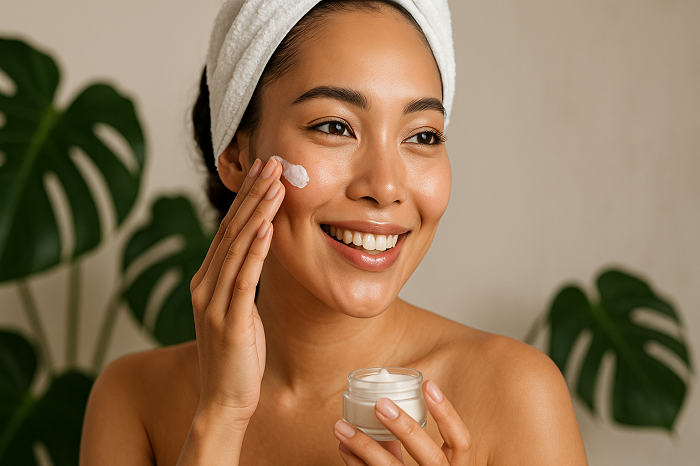
Having glowing skin is a universal desire, as it not only enhances appearance but also reflects overall health and well-being. In today’s fast-paced world, stress, pollution, and poor lifestyle choices often take a toll on our skin, making it look dull and lifeless. The good news is that achieving radiant skin is possible with the right habits and consistent care. From hydration to sun protection, every step counts in building a skincare routine that nurtures your skin inside and out. In this detailed guide, we will explore the top 10 skincare tips for glowing skin that will help you achieve a natural, radiant look without relying solely on cosmetics.
1. Start with Proper Cleansing
Cleansing is the foundation of any skincare routine. Throughout the day, dirt, oil, sweat, and environmental pollutants accumulate on your skin, leading to clogged pores and dullness. Washing your face twice daily with a gentle cleanser suited to your skin type helps to remove impurities and prepare your skin for other products. Avoid harsh soaps that strip natural oils, as they can cause dryness and irritation. Instead, opt for sulfate-free cleansers that maintain your skin’s pH balance.
2. Hydrate Your Skin and Body
One of the most overlooked skincare practices is hydration. Drinking enough water throughout the day ensures that your skin remains supple, plump, and radiant. Dehydrated skin often looks flaky and tired. In addition to internal hydration, external hydration with moisturizers is equally important. Choose moisturizers containing ingredients like hyaluronic acid, glycerin, or ceramides that lock in moisture and keep your skin soft. For added nourishment, use hydrating serums before your moisturizer.
3. Exfoliate Regularly for Renewed Skin
Dead skin cells can make your complexion look uneven and dull. Exfoliation helps remove these dead cells, revealing fresh, glowing skin underneath. Depending on your skin type, exfoliating two to three times a week is sufficient. There are two main types of exfoliants: physical scrubs with fine particles and chemical exfoliants with AHAs or BHAs. While scrubs are good for occasional use, chemical exfoliants are more effective for consistent results, especially for issues like acne or uneven texture. Always follow up with a moisturizer to prevent dryness.
4. Protect Your Skin from the Sun
Sun exposure is one of the biggest causes of premature aging, pigmentation, and skin damage. Applying sunscreen daily, even when indoors, is non-negotiable if you want glowing skin. Broad-spectrum sunscreens with SPF 30 or higher protect your skin from harmful UVA and UVB rays. For those who spend long hours outdoors, reapply sunscreen every two to three hours. Remember, sun damage is cumulative, and protecting your skin early will help maintain its youthfulness in the long run.
5. Nourish with a Balanced Diet
What you eat has a direct impact on how your skin looks. A diet rich in vitamins, minerals, antioxidants, and healthy fats supports skin health from within. Foods like berries, leafy greens, nuts, and fatty fish contain nutrients that boost collagen production and fight free radicals responsible for skin aging. Including omega-3 fatty acids helps reduce inflammation and dryness, while vitamin C-rich fruits aid in brightening your complexion. Avoid excessive sugar and processed foods, as they can trigger breakouts and dullness.
6. Get Enough Restful Sleep
Lack of sleep does not just affect your energy levels, it also shows up on your skin. When you sleep, your body goes into repair mode, producing collagen and repairing damaged cells. Poor sleep can result in dark circles, puffiness, and a dull complexion. Strive for seven to eight hours of restful sleep each night to allow your skin to rejuvenate naturally. Incorporating a bedtime skincare routine with calming ingredients like chamomile or lavender oil can also enhance skin repair.
7. Manage Stress Effectively
Stress has a profound effect on your skin, often leading to breakouts, inflammation, and premature aging. When you are stressed, your body releases cortisol, a hormone that increases oil production and can clog pores. Engaging in stress-relieving activities such as yoga, meditation, or even a simple walk outdoors can calm your mind and, in turn, benefit your skin. Practicing mindfulness and setting aside time for hobbies can also help maintain emotional balance, which directly contributes to a glowing complexion.
8. Avoid Excessive Touching and Picking
While it may be tempting to touch your face frequently or pick at blemishes, these habits can cause infections, scarring, and further irritation. Your hands carry bacteria and dirt that transfer easily onto your skin. Instead, allow blemishes to heal naturally or use targeted treatments with salicylic acid or benzoyl peroxide. Developing the discipline to keep your hands away from your face is a small yet impactful step in maintaining clear and healthy skin.
9. Incorporate Antioxidants in Your Routine
Antioxidants are a powerful ally in your skincare arsenal. They fight free radicals that cause oxidative stress and accelerate skin aging. Products with vitamin C, vitamin E, niacinamide, and green tea extract help brighten skin, reduce inflammation, and improve texture. Applying a vitamin C serum in the morning, followed by sunscreen, not only enhances your glow but also provides additional protection against sun-induced damage. Regular use of antioxidant-rich products ensures long-term skin health.
10. Stick to a Consistent Routine
Consistency is the secret to glowing skin. Switching products frequently or neglecting your skincare routine can disrupt your skin’s balance. Find products that work well for your skin type and stick with them for several weeks to see results. A simple routine with cleansing, moisturizing, and sun protection, along with weekly exfoliation and treatments, is more effective than an elaborate routine that is difficult to maintain. Over time, this consistency pays off with radiant and healthy skin.
Conclusion
Glowing skin is not the result of a single miracle product but rather a combination of healthy habits, protective measures, and consistent care. From cleansing and hydration to sun protection and stress management, each step plays a vital role in enhancing your natural radiance. By following these top 10 skincare tips, you can build a routine that is both practical and effective, helping you achieve a complexion that shines with health and confidence. Remember that patience and persistence are key, as true skin transformation takes time. Start today, and your skin will thank you tomorrow.
Frequently Asked Questions on Skincare for Glowing Skin
Q1. How long does it take to see results from a new skincare routine?
Answer. It usually takes four to six weeks to notice visible improvements, as that is the time required for skin cell turnover.
Q2. Can I get glowing skin naturally without using products?
Answer. Yes, a healthy diet, hydration, exercise, and proper sleep can significantly improve your skin’s natural glow even without extensive products.
Q3. How often should I exfoliate for glowing skin?
Answer. Two to three times a week is ideal for most skin types, but sensitive skin may require less frequent exfoliation.
Q4. Is sunscreen necessary if I stay indoors?
Answer. Yes, UV rays can penetrate windows and artificial lighting, so daily sunscreen use is essential even indoors.
Q5. What is the best vitamin for glowing skin?
Answer. Vitamin C is highly effective for brightening and evening out skin tone, while vitamin E and niacinamide support hydration and repair.