




























































































































































































































































Top 10 Sustainable Fashion Brands Worth Trying

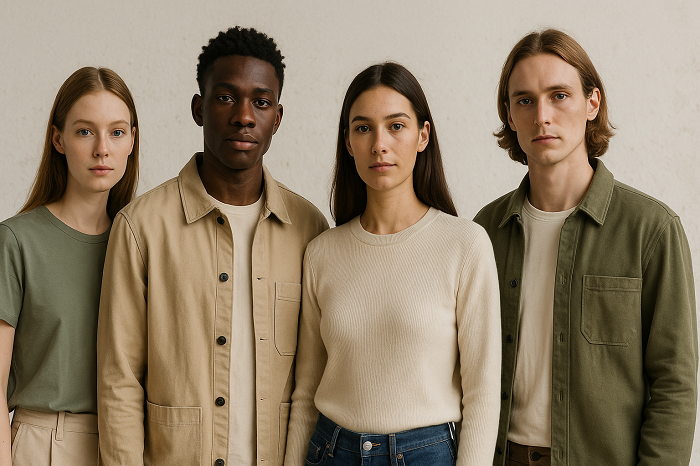
The fashion industry has long been associated with fast trends and mass production, but as consumers become more conscious of their impact on the planet, sustainable fashion has moved from a niche concept to a mainstream movement. Today, people are actively seeking clothing that not only looks good but also feels good in terms of ethics, transparency, and environmental responsibility. Choosing sustainable fashion brands is not just about buying clothes, it is about supporting businesses that prioritize fair wages, eco-friendly materials, and long-term positive change in the industry. With so many new labels emerging alongside established names, it can feel overwhelming to know where to start. That is why we have curated a comprehensive list of the top 10 sustainable fashion brands worth trying in 2025, each offering unique approaches to style, sustainability, and innovation.
1. Patagonia, A Pioneer in Ethical Fashion
Patagonia has long set the standard for sustainable fashion. Known for its outdoor apparel and commitment to environmental causes, the brand focuses on recycled materials, ethical supply chains, and repairing rather than replacing. Patagonia’s Worn Wear program encourages customers to buy second-hand or trade in used garments, proving that true sustainability lies in longevity and conscious consumption. With a strong reputation built over decades, Patagonia continues to be a leader in merging performance, durability, and responsibility.
2. Reformation, The Trendsetter’s Eco Choice
Reformation has redefined how chic and sustainable can co-exist. The brand is well-loved for its trendy yet timeless dresses, denim, and basics that appeal to modern shoppers who want style without compromise. Reformation uses recycled fabrics, deadstock textiles, and low-impact processes, while also offering transparency about the environmental footprint of each item. By combining Instagram-worthy aesthetics with meaningful eco-conscious practices, Reformation makes sustainable fashion highly desirable for younger audiences.
3. Stella McCartney, Luxury with a Green Mission
When it comes to luxury sustainable fashion, Stella McCartney remains unmatched. As one of the first high-end designers to eliminate leather, fur, and exotic skins, the brand champions cruelty-free fashion. Stella McCartney consistently experiments with innovative materials such as plant-based alternatives and recycled textiles, while advocating for a circular fashion economy. This combination of luxury design and eco-innovation makes the brand a must-try for anyone who values elegance with conscience.
4. People Tree, The Ethical Fair Trade Brand
For those who want a wardrobe that reflects values of fairness and ethics, People Tree is an excellent choice. As one of the first brands to receive Fair Trade certification, People Tree has been collaborating with artisans and farmers in developing countries for decades. The label prioritizes organic cotton, handwoven fabrics, and slow fashion production, creating timeless pieces that celebrate craftsmanship while minimizing harm. Choosing People Tree means directly supporting communities and promoting equity in the global fashion system.
5. Everlane, Radical Transparency in Style
Everlane has built its reputation on what it calls radical transparency. The brand openly shares the costs, markups, and factory information behind every garment, allowing customers to make informed choices. Everlane’s minimal yet stylish clothing is crafted from responsibly sourced materials, including organic cotton, recycled polyester, and ethical wool. With a focus on affordability compared to many luxury sustainable brands, Everlane has made ethical fashion accessible to a broader audience.
6. Eileen Fisher, Timeless Wardrobe Investments
Eileen Fisher has become synonymous with understated, timeless elegance and sustainability. The brand invests in organic fibers, low-impact dyes, and circular fashion practices, including a take-back program that allows old pieces to be repurposed or resold. Eileen Fisher’s philosophy revolves around buying less but buying better, which resonates with eco-conscious professionals who want a functional yet sophisticated wardrobe. The label is a great example of how fashion can age gracefully while staying relevant in a sustainable future.
7. Veja, Sneakers with a Purpose
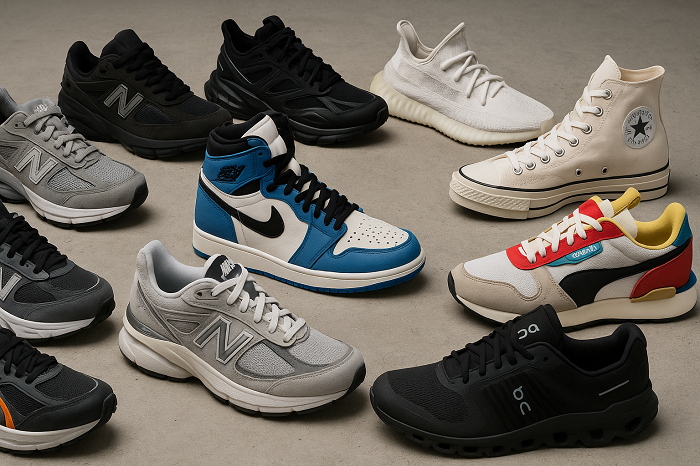
For footwear enthusiasts, Veja offers stylish sneakers that are as ethical as they are versatile. Made from organic cotton, wild rubber sourced from the Amazon, and innovative vegan materials, Veja proves that footwear can be fashionable and sustainable at the same time. The brand avoids celebrity endorsements and instead invests in fair labor practices and responsible sourcing. Their minimalist sneakers have become an international favorite, appealing to both fashion insiders and everyday wearers.
8. Thought Clothing, Everyday Sustainable Essentials
Thought Clothing is a British brand that creates everyday essentials with sustainability at its core. Using natural fabrics such as organic cotton, bamboo, and hemp, the brand ensures comfort and durability in its designs. Thought Clothing is ideal for those seeking practical yet stylish wardrobe staples that reduce environmental impact. Their collections span casual wear, work attire, and loungewear, making sustainable living easy and accessible.
9. Amour Vert, Green Love in Every Stitch
Amour Vert, which means Green Love in French, is an American label that has built its identity around eco-friendly fabrics and limited production runs. By planting a tree for every tee purchased, the brand connects fashion with tangible environmental action. Amour Vert specializes in versatile, feminine clothing that works for both work and leisure. The company’s commitment to local production and non-toxic dyes ensures that each piece not only looks beautiful but is also responsibly made.
10. Ninety Percent, Sharing Profits for Change
Ninety Percent takes sustainability beyond production by integrating social responsibility into its business model. The brand donates ninety percent of its profits to charitable causes, allowing customers to vote on where the funds go. Their designs focus on casual, modern basics made from organic and recycled materials. By blending fashion with philanthropy, Ninety Percent creates a unique connection between clothing and community empowerment.
Conclusion
Sustainable fashion is no longer a passing trend, it is the future of the industry. The top 10 sustainable fashion brands highlighted here demonstrate that it is possible to blend style, ethics, and responsibility in a way that resonates with modern consumers. Whether you are drawn to Patagonia’s durability, Reformation’s trendsetting style, Stella McCartney’s luxury ethos, or Veja’s purposeful sneakers, there is a brand that aligns with every lifestyle and value system. By supporting these labels, you are not just upgrading your wardrobe, you are contributing to a more ethical and eco-friendly fashion future. As sustainability becomes increasingly central to shopping habits, investing in these brands ensures that you are both stylish and responsible.
Frequently Asked Questions on Sustainable Fashion Brands
Q1. Which sustainable fashion brand is best for luxury clothing?
Answer. Stella McCartney is widely regarded as the leading luxury sustainable fashion brand due to its cruelty-free ethos and innovative materials.
Q2. Are sustainable fashion brands affordable?
Answer. Brands like Everlane, Thought Clothing, and People Tree offer accessible pricing compared to luxury labels, making sustainable fashion available to more shoppers.
Q3. What makes a fashion brand truly sustainable?
Answer. A brand is considered sustainable if it prioritizes eco-friendly materials, ethical labor practices, transparency, and circular initiatives such as recycling or resale programs.
Q4. Where can I buy sustainable sneakers?
Answer. Veja is one of the top sustainable sneaker brands, offering a wide range of minimalist, eco-friendly footwear options.
Q5. How can I build a sustainable wardrobe?
Answer. Start by investing in timeless pieces from trusted sustainable brands, choosing quality over quantity, and embracing resale or take-back programs that extend the life of clothing.